
Artificial intelligence is changing how businesses operate, compete, and grow. From automating everyday tasks to improving decision-making, AI offers opportunities to increase efficiency and create new sources of value. However, successful adoption requires more than choosing the right technology. AI strategy consulting helps businesses develop a clear plan for integrating artificial intelligence into their operations and achieving measurable results.
For organizations looking to remain competitive, a well-defined AI strategy provides direction, reduces implementation risks, and connects technology investments with long-term business goals.
What Is AI Strategy Consulting?
AI strategy consulting involves assessing business needs and identifying how artificial intelligence can support organizational objectives. Consultants evaluate existing processes, technology infrastructure, data quality, and workforce capabilities before recommending suitable AI solutions.
Rather than adopting AI simply because it is becoming popular, businesses can focus on initiatives that solve genuine problems, improve productivity, and deliver measurable business value.
Why Businesses Need an AI Strategy
Many organizations are interested in AI but struggle to determine where to start. Without proper planning, businesses may invest in unsuitable tools, overlook security concerns, or implement projects that fail to deliver expected results.
A comprehensive AI strategy helps organizations prioritize opportunities, allocate resources effectively, and establish realistic goals. It also supports better collaboration between leadership, technical teams, and employees throughout the transformation process.
With professional AI consulting services, businesses can make informed decisions about which technologies to adopt and how to integrate them into existing workflows.
Key Elements of an Effective AI Strategy
1. AI Readiness Assessment
Before implementing artificial intelligence, businesses must understand their current capabilities. An AI readiness assessment examines existing systems, available data, operational challenges, and employee skills.
This evaluation helps identify potential barriers and determines whether the organization has the necessary resources to begin implementation.
2. AI Roadmap Development
An AI roadmap provides a structured plan for adopting artificial intelligence. It outlines business priorities, implementation stages, estimated costs, and performance indicators.
Starting with smaller projects allows businesses to evaluate results before expanding successful initiatives across other departments.
3. Intelligent Process Automation
AI-powered automation can improve workflows involving customer support, reporting, administrative tasks, and information management. Consultants help identify repetitive activities that could benefit from automation.
This enables employees to spend less time on routine work and more time on strategic responsibilities, creativity, and customer relationships.
4. Data Strategy and Analytics
High-quality data is essential for successful AI implementation. Businesses need reliable processes for collecting, organizing, protecting, and analyzing information.
A strong data strategy helps organizations uncover trends, improve forecasting, and make decisions based on meaningful insights rather than assumptions.
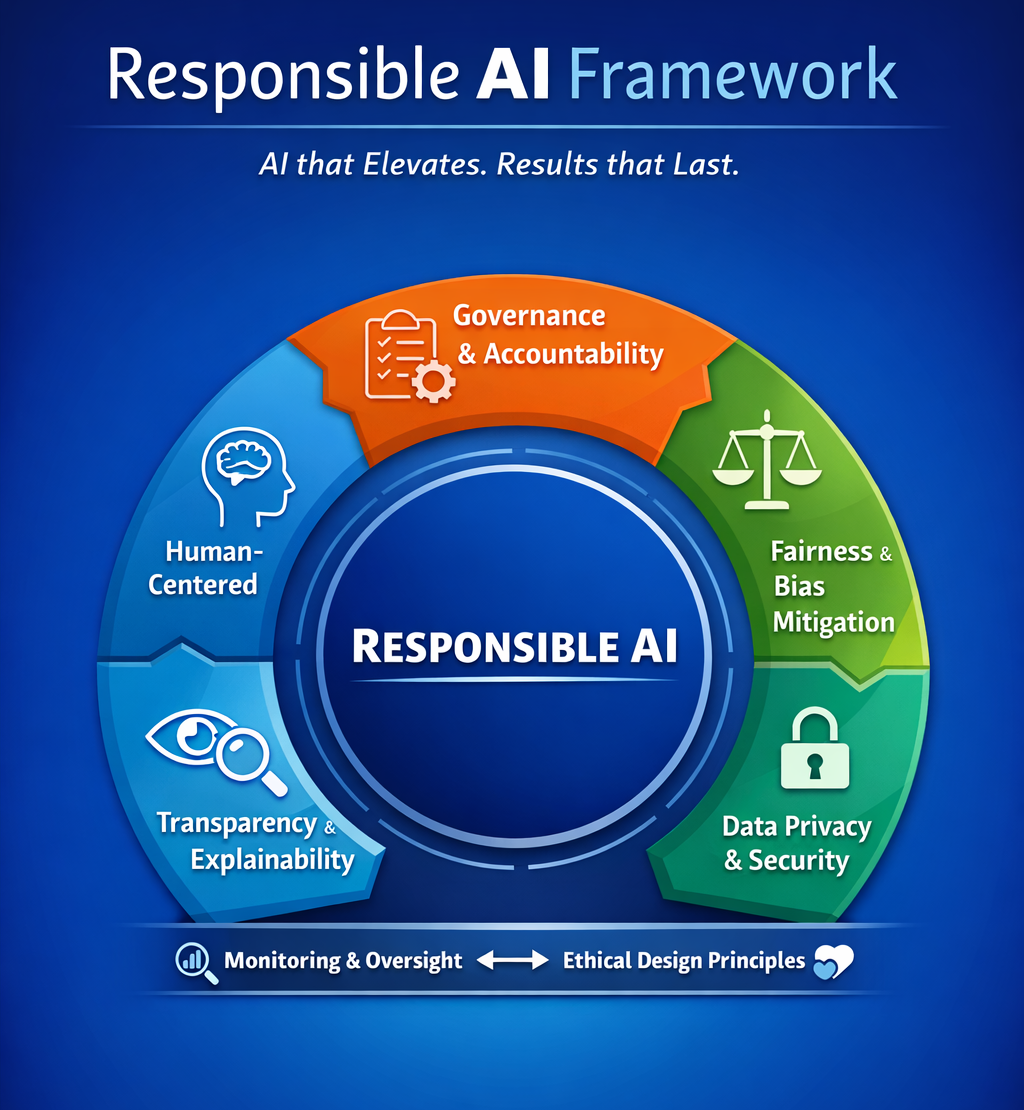
5. AI Governance and Risk Management
Responsible AI adoption requires clear guidelines for data privacy, security, transparency, and accountability. Businesses must also consider potential bias and applicable regulatory requirements.
An effective governance framework helps organizations manage these risks while building trust among employees, customers, and stakeholders.
Benefits of AI Strategy Consulting
Working with AI strategy consultants can help organizations approach artificial intelligence with greater confidence.
Improved productivity: Automation reduces repetitive work and helps teams operate more efficiently.
Better decision-making: AI-powered analytics can reveal patterns and insights that support business planning.
Cost optimization: Identifying suitable AI opportunities helps businesses use resources more effectively.
Enhanced customer experience: Intelligent assistants and personalized services can improve customer interactions.
Long-term scalability: A flexible AI roadmap allows organizations to expand successful solutions as their needs evolve.
Actual results depend on implementation quality, business requirements, data readiness, and ongoing performance monitoring.
How Elevait Consulting Can Help
At Elevait Consulting, we recognize that every organization has unique goals and challenges. An effective AI strategy should reflect these differences rather than rely on a one-size-fits-all approach.
By aligning AI opportunities with business objectives, organizations can develop practical implementation plans, identify valuable automation opportunities, and establish measurable performance goals.
Whether your business is exploring artificial intelligence for the first time or looking to improve existing initiatives, strategic guidance can help you move forward with greater clarity.
Build Your AI Strategy for the Future
Artificial intelligence offers businesses new opportunities to innovate, improve operations, and strengthen their competitive position. With the right AI strategy consulting approach, organizations can move beyond experimentation and develop solutions that support sustainable growth.
Ready to explore AI opportunities for your business? Contact Elevait Consulting today to discuss your goals and discover how a tailored AI strategy can help your organization improve efficiency, drive innovation, and achieve long-term success.



Leave a Reply